 So I came out about my decision to leave Apple and Google. It’s a lifestyle choice to escape the tech giants that make me a product by privatizing my personal data .And I don’t like what Apple is doing now, Apple’s attitude, new iPhone and their price… It’s also an act of freedom for my children and all the people who will care: I want them to have a choice, and also a clear and informed view on how their choices can impact their life and their economical ecosystem as well. That’s what eelo is all about: offering a viable and attractive alternative to users for their digital life.
In this new post I’m going to describe what I was able to do so far on the mobile to get rid of Google and Apple, and what remains to do (spoiler: there’s a lot). In the next part I will explain what how things will need to be adressed on web services and draw a whole picture of the eelo project.
Continue reading “Leaving Apple and Google: my “eelo odyssey”. Part1: the mobile OS”
 In 1998, I created Mandrake Linux, because I was both a Linux fan and didn’t like Windows on the desktop. It’s been a long time, and I’m very happy I’ve been one of the actors who contributed to make the Linux desktop possible, even though it didn’t completely succeed. Since then, the smartphone has emerged. And it’s now a “companion of life” for many of us. On my side, I’ve been using Apple iPhones exclusively, since 2007. The main reason behind this choice is that I like iOS. It covers my needs, it looks great and elegant, and I find it very intuitive to use.
 The LineageOS project was born from CyanogenMod’s ashes one year ago. And since, it has been embraced by a growing community of contributors and users. Built from Android open source code, it intends to offer a full and independent operating system for mobiles. What is LineageOS? how to install it? what can be expected? Why is it a major open source project?
 Les logiciels de bureau basés sur le Web, tels que Google docs et Microsoft Office 365, ont progressivement évolué au cours des dernières années pour devenir crédibles pour les besoins réels des utilisateurs. Ils offrent, à un coût très bas, ou, en apparence, gratuitement, un certain nombre de logiciels en ligne, qui incluent un traitement de texte, un tableur, un logiciel de présentation … et du stockage en ligne.
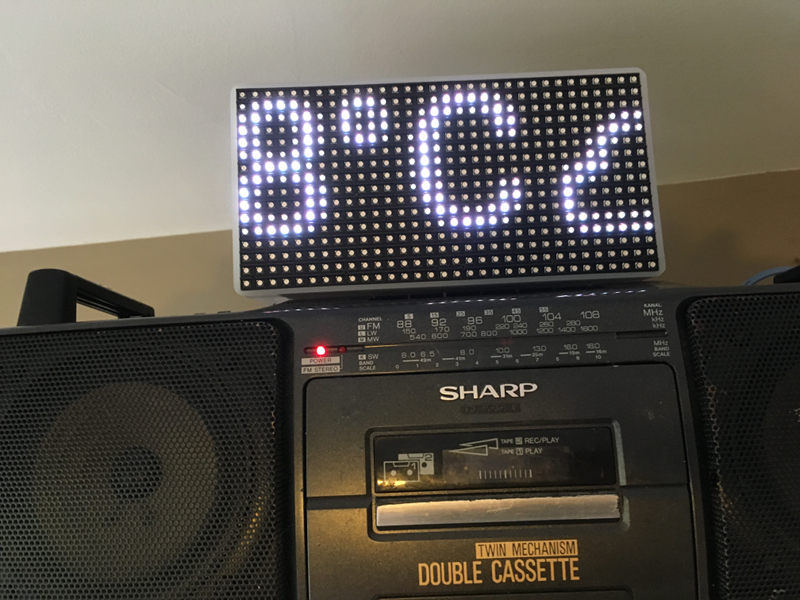 Depuis le 1er janvier 2017, France Inter a arrêté d’emettre en Grandes Ondes. Et c’est bien dommage !